
Early Age Concrete Cracking
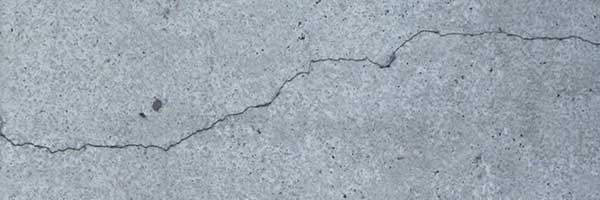
As we enter the fall we are greeted by cool mornings and warm breezy days. One of the best times of the year to enjoy the outdoors.
However, this is a challenging time for placing concrete. The cold mornings cool the subgrade where concrete is placed. This will drop the concrete temperature causing slower set while waiting for the sun to rise over the trees.
The wonderful breeze we enjoy will cause bleed water to evaporate more quickly from the surface of the concrete which may cause it to crust over before the lower layer of concrete sets.
Later into the day as the temperatures rise and the wind blows, humidity is pushed out of the area. This further exacerbates the issues on the surface of your freshly placed concrete potentially leading to issues with plastic shrinkage cracking, early age drying shrinkage cracking, tearing of the surface and/or delamination if the top surface is sealed to early.
Planning a head will minimizes the chances for issues. Check the weather forecast daily, have a pour plan in place, takes steps to protect the concrete onsite and review the mix design related to the application and weather forecast.
Helpful Tips
- Apply Evaporation Retarders to protect the surface
- Fog the slab, think of a gentle mist not a child’s sprinkler
- Install wind blocks
- Moisten the subgrade prior to placement to increase bleed potential
- Cover the subgrade with curing blankets the night before when frost and freezing temperatures are expected
- Have sufficient personnel to care for the concrete
- Consider adding Microfiber
- Accelerate the set of the concrete using admixtures, hot water, straight cement and/or a high strength class of concrete
Another issue that can commonly cause early age cracks is improper jointing practices related to the timing, spacing, layout and depth of joints.
Joints must be carefully designed and properly constructed if uncontrolled cracking of concrete flatwork is to be minimized. The following best practices will reduce the potential for out of joint cracking.
- The maximum joint spacing should be 24 to 36 times the thickness of the slab. For example, the joint spacing for a 4-inch [100 mm] thick slab should be 8 feet to 12 feet. It is recommended that joint spacing be limited to a maximum of 15 feet [4.5 m] for thicker slabs that would allow for an increased spacing.
- All panels should be square or nearly so. The length should not exceed 1.5 times the width. Avoid L shaped panels.
- Plan for re-entrant corners as cracks will occur at a 45-degree angle off the corner. Plan to install a joint here to contain the crack or consider additional reinforcement to hold the crack together once it occurs.
- The saw cut or hand tooled joint should have a minimum depth of ¼ the thickness of the slab, but not less than 1 inch [25 mm].
- Joints should be cut into the slab as early as possible before the strain of shrinkage exceeds the strength of the concrete. Cutting the next day is too late!